

Designing Secure Yet Simple Payment Experiences

A payment experience needs to do two things well: protect users’ money and make every step easy to understand. Whether someone is paying a bill, transferring money through a fintech app, or sending funds to a saved beneficiary, they should feel confident about what they are approving and what happens after they tap Pay.  However, …

The Role of FAQs in GEO and Answer Engine Optimization

Customers increasingly use AI-powered platforms such as ChatGPT, Gemini, and Perplexity to research products, compare options, and find answers to specific questions. Instead of searching only for broad keywords, they often ask conversational questions that reflect their needs and purchasing decisions.  For businesses, this creates an opportunity to make website content more useful and accessible. …

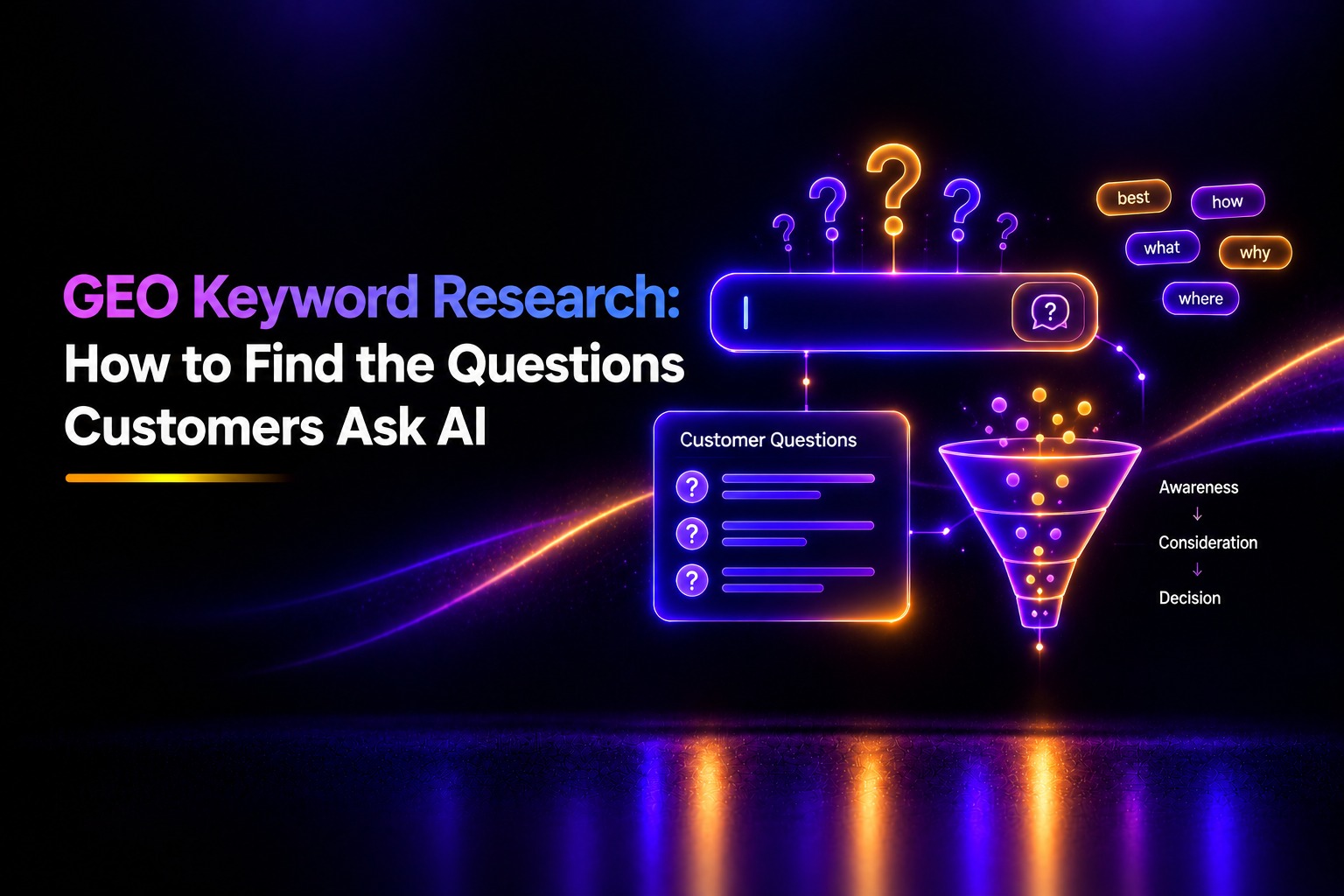
GEO Keyword Research: How to Find the Questions Customers Ask AI

Keyword research has traditionally focused on identifying the terms people enter into search engines, estimating search volumes, and understanding the intent behind those searches. But as customers increasingly use AI platforms such as ChatGPT, Gemini, and Perplexity to research products, compare services, and find recommendations, businesses need to expand how they approach keyword research.  A …

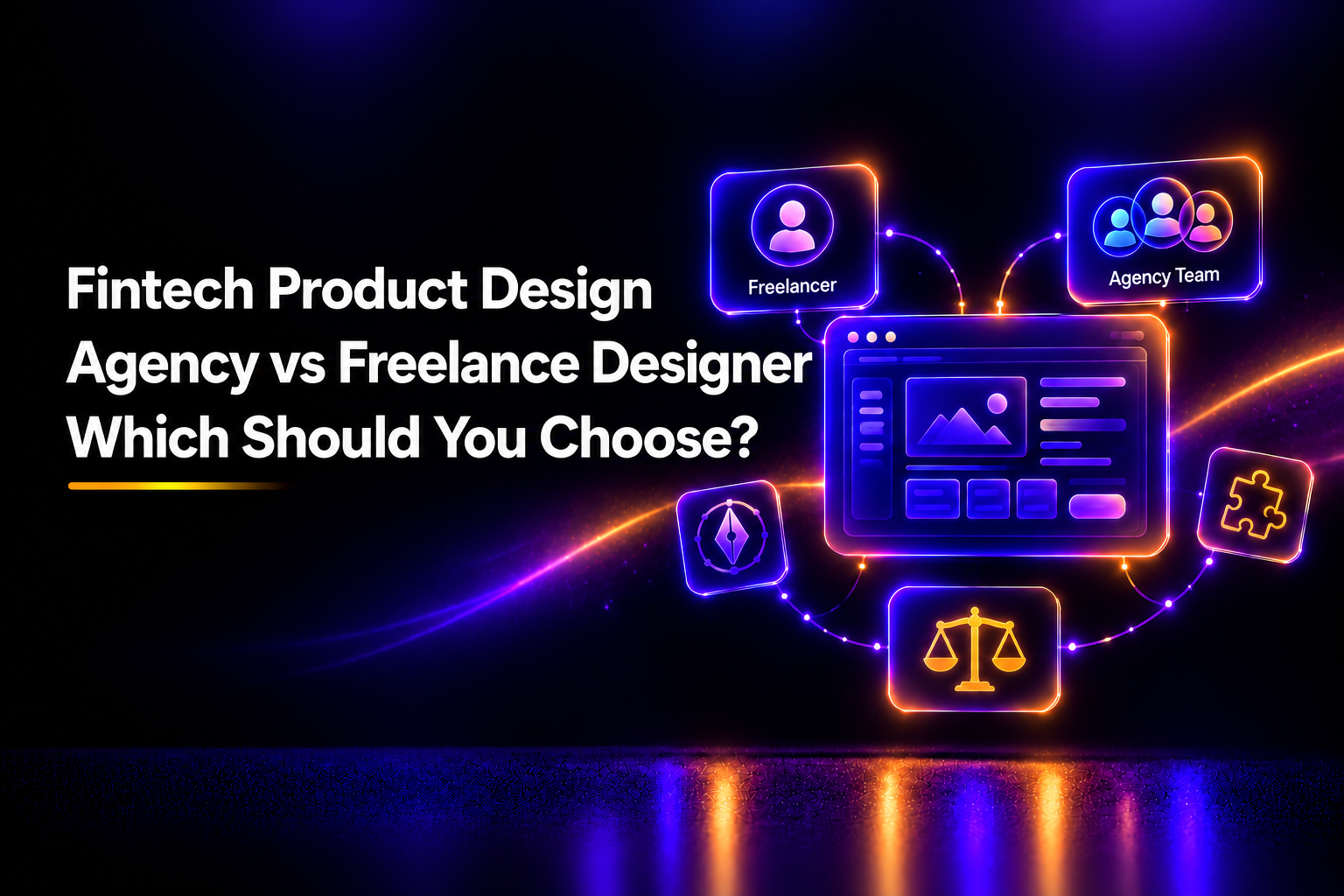
Fintech Product Design Agency vs Freelance Designer: Which Should You Choose?

Choosing a design partner for a fintech product isn’t simply a question of whether to hire an agency or a freelancer. The right choice depends on what you’re building, how complex the product is, what capabilities you already have in-house, and how much support you need beyond UI design.  A freelance designer can be an …

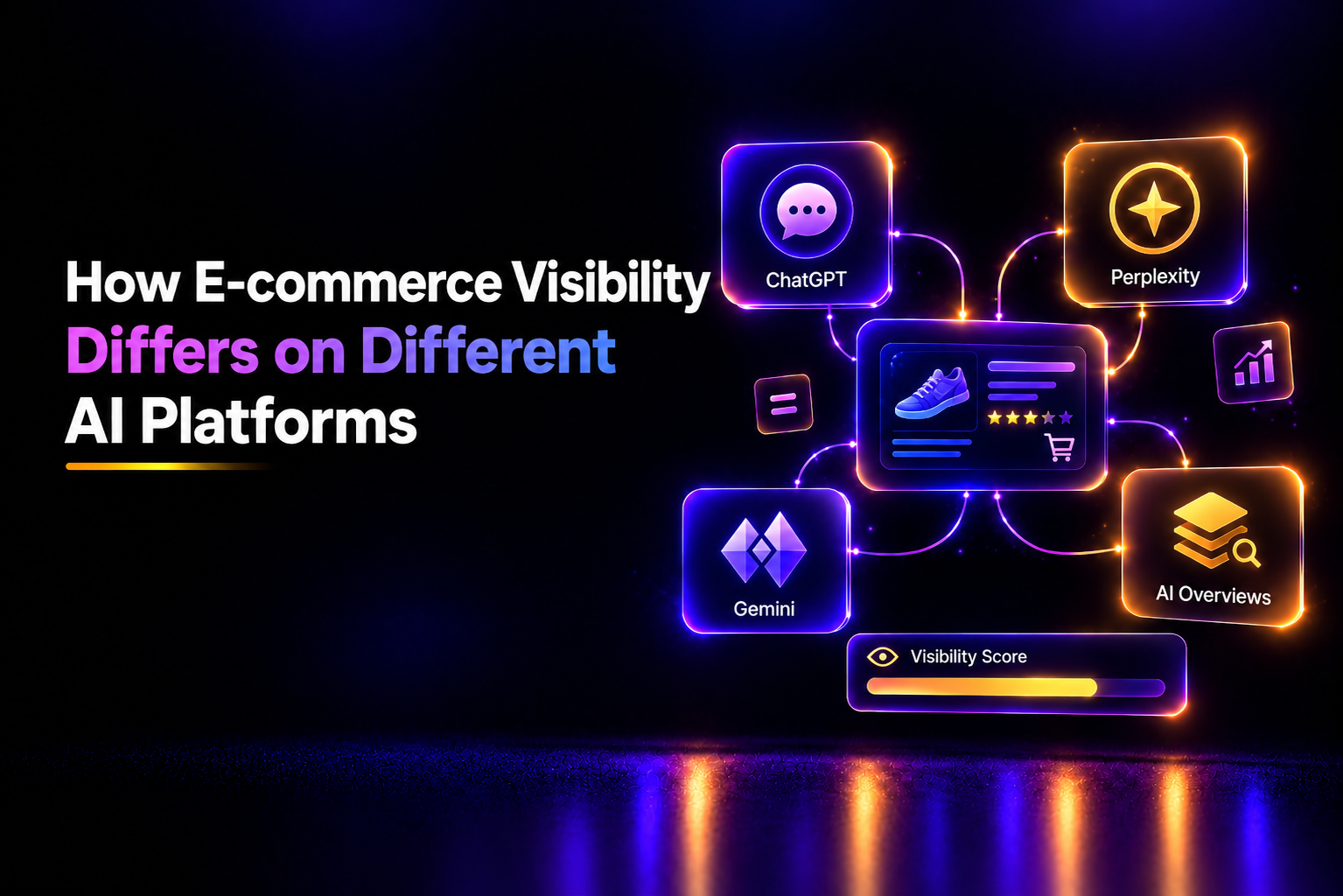
How E-commerce Visibility Differs on Different AI Platforms

E-commerce product discovery is moving beyond the traditional model of entering a keyword, scanning search results and opening multiple product pages.  Consumers can now describe what they want in natural language, ask for comparisons, refine their requirements, and request recommendations based on specific constraints.  The experience varies significantly across AI search engines.  A shopper asking, …

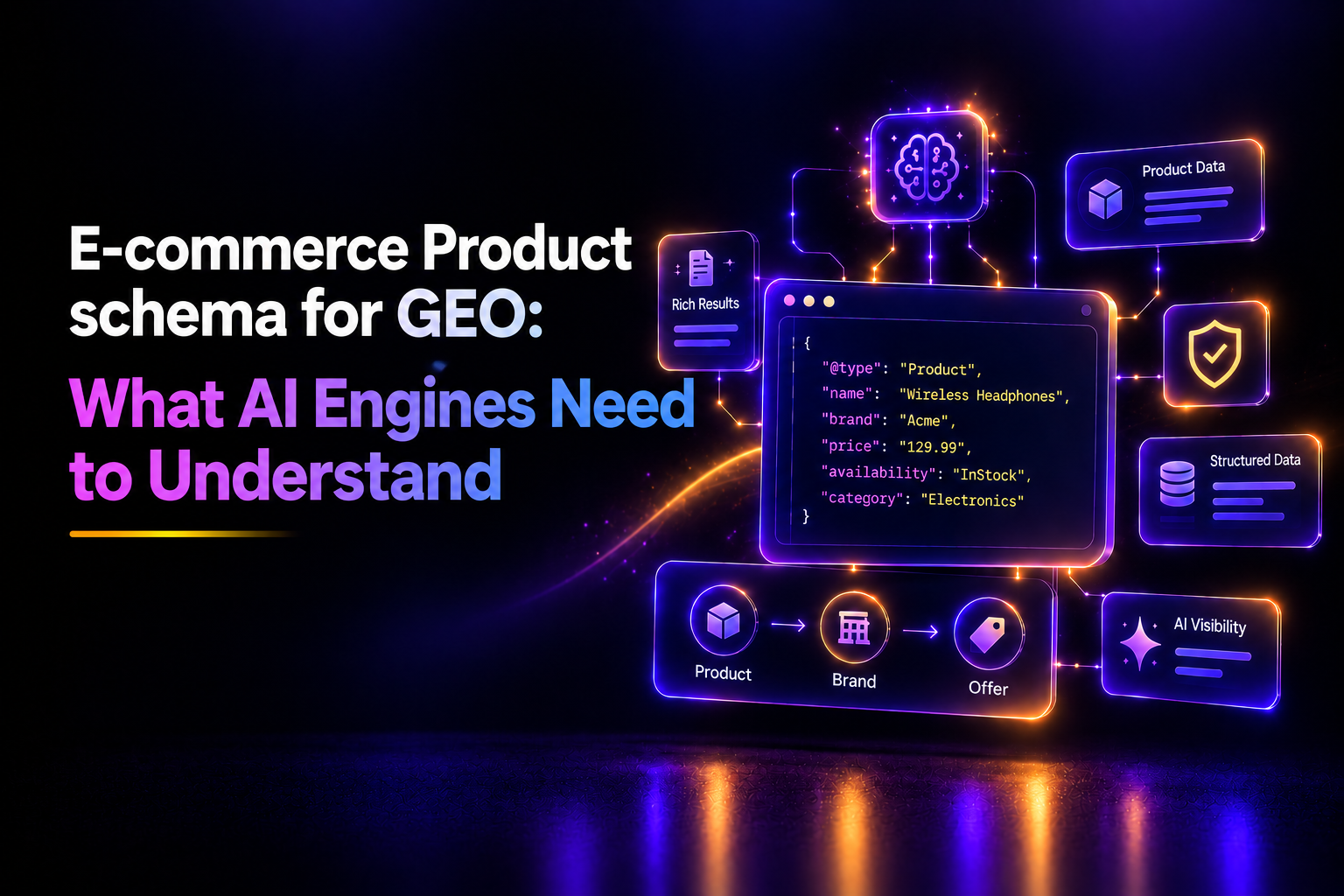
E-commerce Product Schema for GEO: What AI Engines Need to Understand

E-commerce product pages contain a large amount of information: product names, descriptions, specifications, prices, availability, ratings, reviews, brands and product identifiers.  This information is primarily written for shoppers, but it also needs to be interpreted by search engines and other systems that process web content.  Product structured data provides a standardized way to describe important …

How Online Reviews Influence AI Product Recommendations

Online reviews have long influenced e-commerce purchase decisions by showing shoppers how a product performs beyond the claims made by a brand. Reviews can reveal details about durability, comfort, fit, ease of use, battery life, quality, or long-term performance that may not appear on a product page.  As product discovery becomes more conversational, this information …

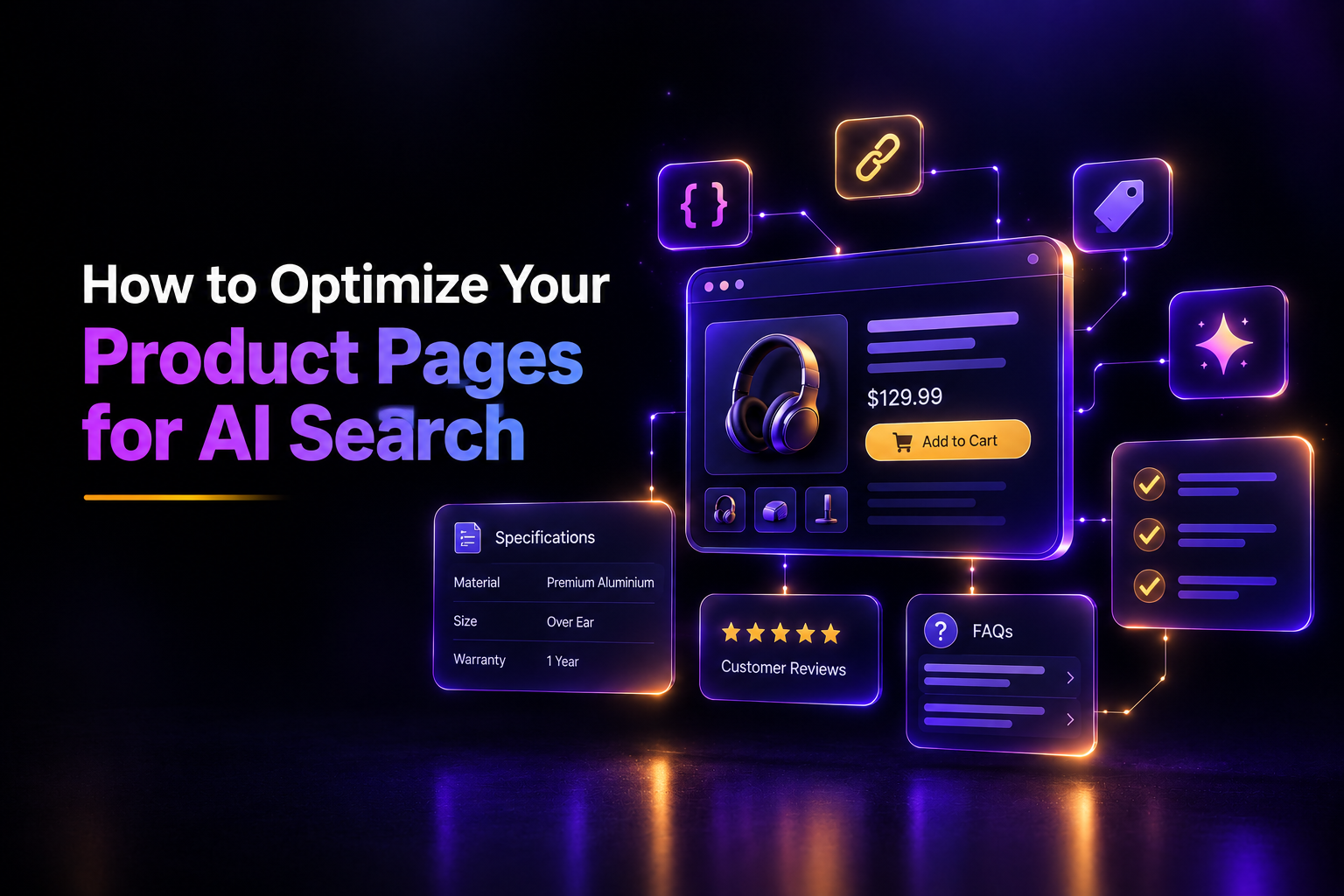
How to Optimize Your Product Pages for AI Search

Product pages have always been central to e-commerce. They help shoppers understand what a product offers, evaluate its features, check its price, and decide whether it meets their needs.  AI-powered search is adding another layer to this process. Consumers can now describe what they are looking for in natural language and use AI tools to …

How ChatGPT Is Changing E-commerce Product Discovery

For years, e-commerce product discovery followed a familiar pattern. A shopper entered a keyword into Google, browsed search results, opened multiple product pages, checked reviews, compared prices and eventually decided what to buy.  AI is changing how this research happens.  Instead of searching for a generic term such as “best office chair,” a shopper can …

KYC UX Design: How to Reduce Friction in Fintech Onboarding

KYC is one of the most important steps in fintech onboarding, but it can also be one of the biggest sources of friction. Users may be asked to enter personal information, upload identity documents, complete verification and wait for approval before they can access the product.  For fintech companies, these steps are necessary. For users, they can …