Indian consumers are exposed to thousands of brand messages every day. A strong product can attract attention, but a strong story can give people a reason to remember the brand.
This is where brand storytelling becomes valuable. It helps businesses connect their products or services with ideas, emotions, experiences, and cultural moments that matter to their audience.
Some of India’s most successful brands have built this connection particularly well. Their stories often extend beyond what they sell. They reflect familiar experiences, aspirations, beliefs, or everyday moments and make the brand part of that larger narrative.
Brands such as Tanishq, Paper Boat, Wakefit, Zerodha, and Zomato have used different storytelling approaches to build distinctive identities in their respective categories.
The important lesson is that effective storytelling does not require a dramatic origin story. It requires a clear idea that the audience can associate with the brand consistently.
This article looks at some of the strongest Indian brand storytelling examples, what made them effective, and what businesses can learn from them.
What Makes a Brand Story Effective?
A brand story becomes valuable when it gives customers a meaningful reason to connect with the brand.
The strongest stories usually combine several elements:
A Clear Brand Idea
Every memorable brand story has a central idea. It could be about celebrating relationships, simplifying life, encouraging financial independence, or finding joy in everyday experiences.
This idea gives the brand’s communication a consistent direction.
A Strong Understanding of the Audience
Good storytelling reflects something the audience already understands or values.
For example, a campaign built around family relationships can feel more relevant for a jewellery brand because jewellery is closely associated with important personal and cultural occasions in India.
Emotional Relevance
Stories become memorable when they create an emotional response. The emotion can range from nostalgia and pride to humour, aspiration, empathy, or belonging.
The emotional element should connect naturally with the brand’s role in the customer’s life.
Consistency Across Touchpoints
A campaign can create attention, but a brand story becomes stronger when the same idea appears across advertising, social media, website communication, packaging, customer experience, and other touchpoints.
Consistency helps turn individual campaigns into a recognisable brand narrative.
A Connection to the Product
The story also needs a credible connection to what the brand actually offers.
A powerful emotional campaign may generate attention, but the audience should still understand why this particular brand has the right to tell that story.
This is one of the key differences between a memorable brand narrative and a campaign that simply creates temporary buzz.
Tanishq: Making Jewellery Part of a Larger Cultural Story

Tanishq has consistently used storytelling to connect jewellery with relationships, culture, family, and important moments in people’s lives.
Instead of presenting jewellery only as a product or luxury purchase, many of its campaigns place the product within a larger human story. Weddings, motherhood, relationships, changing traditions, and personal milestones become the context in which the jewellery becomes meaningful.
This approach gives the product an emotional role.
A jewellery advertisement can simply showcase a necklace, its craftsmanship, and its price. Tanishq’s storytelling often gives the jewellery a deeper purpose within the narrative. The product becomes part of a relationship, celebration, or personal moment.
One of the strongest examples is its communication around Indian weddings and evolving traditions. Tanishq has frequently explored contemporary interpretations of cultural occasions while retaining the emotional significance associated with them.
The approach works because the story and the product category have a natural connection.
Jewellery is already associated with significant life events. Tanishq strengthens that association by building narratives around the people and relationships behind those occasions.
What businesses can learn from Tanishq
- Connect the product to a meaningful customer moment.
The product becomes more memorable when customers understand the role it plays in their lives.
- Build stories around customer experiences.
The customer becomes central to the narrative, while the brand supports the experience.
- Let brand values guide campaign ideas.
A consistent perspective helps individual campaigns contribute to a larger brand story.
- Evolve the story with the audience.
Tanishq has explored changing social and cultural perspectives whileremaining connected to its core category.
The broader lesson is simple: a product becomes more emotionally valuable when the brand connects it with an experience that customers already value.
Paper Boat: Turning Nostalgia Into a Brand Story
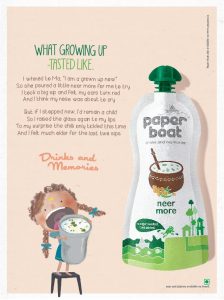
Paper Boat built its brand around a powerful and familiar emotion: nostalgia.
Its products are traditional Indian drinks such as aam panna and jaljeera, but the brand’s communication often goes beyond the beverages themselves. It brings back memories of childhood, family, summer holidays, school days, and familiar Indian experiences.
This gives Paper Boat a distinctive storytelling territory. The brand sells a beverage, but its communication connects that beverage with memories that many consumers already value.
The approach is particularly effective because nostalgia has a natural connection with the product category. Traditional drinks already carry cultural and personal associations. Paper Boat builds on those associations through its storytelling and visual language.
The result is a brand identity that feels emotionally distinctive within a crowded beverage market.
What businesses can learn from Paper Boat
- Find theemotionalready present in your category.
A strong story can emerge from an existing customer association. Paper Boat found that traditional beverages were closely connected with memories and cultural experiences.
- Build a recognizable storytelling territory.
Nostalgia gives Paper Boat aclear creative direction. This makes its communication easier to recognize across campaigns and formats.
- Use culture as a source of brand differentiation.
Indian brands have access to a rich range of cultural experiences, traditions, languages, and everyday moments that can create meaningful narratives.
The lesson is especially relevant for consumer brands: a distinctive emotional territory can make an otherwise familiar product much easier to remember.
Wakefit: Making Everyday Problems Part of the Brand Story

Wakefit took a different approach to brand storytelling. Instead of building its communication around an aspirational lifestyle, the brand often draws from ordinary problems and everyday Indian behaviour.
Sleep is a familiar category, but it is also easy to overlook. People sacrifice sleep for work, entertainment, social commitments, travel, and daily responsibilities. Wakefit has used these relatable situations as material for its brand communication.
Its #SleepIndiaSleep initiative, for example, positioned sleep as a broader lifestyle conversation. Wakefit described it as a nationwide movement and connected the campaign to the everyday reality of sleep deprivation in India.
The brand has also used humour and culturally familiar observations to make conversations about sleep more engaging. One example is its communication around sleep deprivation, which frames everyday Indian habits as the “bad guys” affecting people’s sleep.
This gives Wakefit a useful storytelling advantage: the customer problem becomes part of the content.
Instead of repeatedly explaining why a mattress is comfortable, the brand can talk about the situations that make good sleep difficult. The product then becomes a natural part of the solution.
What businesses can learn from Wakefit
- Look at the problems customers experience around your product.
These problems often offer more storytelling opportunities than product features.
- Usehumourwhen it fits the brand personality.
Humour can make everyday problems more relatable and increase the shareability of brand communication.
- Turn a category problem into a larger conversation.
Wakefit’scommunication gives the brand a role in conversations around sleep and everyday wellbeing, creating space for content beyond product promotion.
This approach works particularly well for brands in categories where customers already experience familiar frustrations. The story begins with the customer’s reality and naturally connects back to the brand.
Zomato: Turning Brand Personality Into a Storytelling Advantage
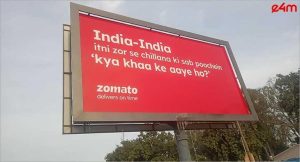
Zomato has built a distinctive storytelling style around humour, cultural relevance, food habits, and everyday observations. Its communication often reflects how people actually talk about food, ordering, cravings, restaurants, and everyday situations.
This gives the brand a recognizable personality across campaigns and channels. Zomato has also experimented with content formats beyond conventional advertising. Its Zomato Originals initiative, for example, explored food through comedy, interviews, recipes, reality formats, and other entertainment formats.
The brand has also used storytelling to bring its wider ecosystem into focus. Its content around delivery partners, for example, highlighted their aspirations and personal stories and connected them with the larger purpose of making food more accessible.
This approach demonstrates an important principle: brand storytelling can come from the world around the product.
Zomato has access to a rich storytelling environment—customers, restaurants, delivery partners, food culture, cities, occasions, and everyday behaviour. These elements give the brand a continuous source of stories.
Its campaigns also show how a consistent personality can make brand communication recognizable even when the subject of the campaign changes. The storytelling style becomes part of the brand itself.
What businesses can learn from Zomato
- Develop a recognizable brand personality.
A clear personality gives campaigns a consistent character and helps audiencesidentify the brand.
- Look beyond the product for stories.
Customers, employees, partners, culture, and everydaybehaviour can all provide meaningful storytelling opportunities.
- Make the brand part of relevant conversations.
Timely cultural and consumer insights can make communication more engaging and shareable when they fit the brand naturally.
- Build consistency across formats.
A recognizable storytelling style can work across advertising, social media, content, and other brand touchpoints.
Zerodha: Turning Education Into a Brand Narrative
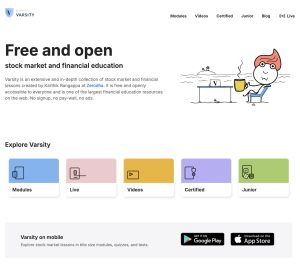
Zerodha demonstrates how education itself can become part of a brand story.
Financial services can be difficult for consumers to understand. Zerodha has built a significant part of its brand communication around making financial knowledge more accessible.
Its educational initiative, Varsity, has been part of this approach for years. Zerodha describes educating traders and investors as a core focus and has expanded its educational content across text, video, audio, certifications, and other formats.
The storytelling extends beyond conventional educational articles. Varsity Junior, for example, uses animated stories about children in a small Indian town to introduce financial concepts through everyday situations.
Zerodha has also created Zero1, a content platform that uses formats such as interviews, shows, and storytelling to make conversations around finance, careers, and money more accessible.
This creates an important shift in brand communication.
The brand is not simply saying that it provides investment services. Its content ecosystem reinforces a broader association with financial awareness, learning, transparency, and informed decision-making.
What businesses can learn from Zerodha
- Expertisecan become a storytelling asset.
Brands with specialised knowledge can use education to demonstrate their expertise while creating value for their audience.
- Make complex subjects easier to understand.
Clear explanations and relatable stories can help businesses build trust in categories that involve complexity or high consideration.
- Build content around a consistentbrandbelief.
Zerodha’s education initiatives support a broader belief in financial awareness. This gives individual pieces of content a connection to the larger brand narrative.
For B2B and professional-service brands, this is particularly relevant. Thought leadership can become part of brand storytelling when expertise consistently supports a clear brand belief.
What These Indian Brands Have in Common
Tanishq, Paper Boat, Wakefit, Zerodha, and Zomato operate in very different categories. Their storytelling approaches are also different.
Yet several common principles explain why their brand narratives work.
They Own a Clear Storytelling Territory
Paper Boat owns nostalgia. Wakefit often explores everyday sleep-related behaviour. Zerodha has built a strong association with financial education. Tanishq connects jewellery with relationships and cultural moments. Zomato has developed a distinctive space around food, humour, and everyday consumer behaviour.
This clarity makes it easier for each brand to create content without losing its identity.
They Connect Stories to Real Customer Experiences
The stories have a natural relationship with the customer’s world.
Tanishq talks about moments where jewellery has emotional significance. Paper Boat draws from familiar memories. Wakefit addresses everyday sleep habits. Zerodha makes financial concepts easier to understand.
The storytelling becomes relevant because it reflects something the audience already knows, feels, or experiences.
They Give the Brand a Role Beyond the Product
The product remains important, but the brand represents something larger.
That larger role can be celebrating relationships, preserving memories, improving everyday life, building financial knowledge, or making food discovery more enjoyable.
This creates more opportunities for communication and helps the brand develop stronger associations.
They Create Consistency Over Time
A strong brand story rarely depends on one campaign.
Repeated themes, ideas, visual cues, tone, and perspectives gradually create a recognizable narrative. Individual campaigns then become chapters within a larger brand story.
This is particularly important for businesses investing in content and social media. Consistency gives every new piece of communication a connection to the brand’s larger identity.
What Businesses Can Learn From These Brand Storytelling Examples
The biggest lesson from these Indian brands is that effective storytelling starts with a clear brand idea.
Businesses can apply the same thinking through a simple process:
- Define what your brand should be remembered for.
Identifyone strong idea that can consistently shape communication.
- Understand what your audience already cares about.
Look at their problems, aspirations, habits, cultural context, and experiences.
- Find the natural connection between that idea andyouroffering.
The story should have a credible relationship with the product, service, or expertise.
- Build recurring storytelling themes.
Create a few content territories that can support campaigns, social media, website content, and other communication.
- Make every touchpoint reinforce the same narrative.
Your website, social media, advertising, sales materials, and visual identity should contribute to the same brand perception.
- Give the audience a reason tocare.
Information explains what a business does. A meaningful story helps people understand why it matters.
For B2B brands, the same principles apply. A compelling story can emerge from customer transformation, founder expertise, industry change, product innovation, employee experiences, or the problem the business is trying to solve.
The format changes by industry. The strategic principle remains the same: give your audience a clear reason to associate your brand with something meaningful.
The Design Brewery Perspective: Build a Story People Can Associate With Your Brand
The Indian brands discussed above use very different storytelling styles, but they share one important characteristic: their stories are closely connected to how they want the brand to be perceived.
This is an important distinction for businesses developing a brand narrative. A collection of emotional campaigns does not automatically create a strong brand story. The narrative needs a clear strategic foundation.
At Design Brewery, brand storytelling is approached through a simple question:
What should someone remember about your brand after interacting with it?
That answer can become the foundation for the brand’s storytelling territory.
For a healthcare brand, it could be compassionate and patient-centered care. For a fintech company, it could be financial confidence and simplicity. For a B2B technology company, it could be expertise that helps businesses navigate complex challenges.
Once that central idea is clear, it can influence the brand’s messaging, visual identity, content, campaigns, website, and customer experience.
This also gives marketing teams a practical filter for evaluating ideas. A campaign may be creative and engaging, but its value becomes stronger when it reinforces the perception the brand wants to build.
Brand storytelling works best when creativity and strategy move in the same direction.
Turning Brand Storytelling Into a Business Asset
A strong brand story can influence more than advertising. It can become a foundation for how the business communicates across the customer journey.
Here are a few ways businesses can put storytelling into practice:
Use Your Brand Story Across Multiple Channels
Your website should communicate the same core narrative as your social media, campaigns, sales presentations, and other customer-facing materials.
The format can change while the underlying idea remains consistent.
Build Content Around Your Storytelling Territories
Once you identify two or three themes that your brand can credibly own, they can become recurring content pillars.
For example:
- Customer experiences
- Industry insights
- Founder perspective
- Behind-the-scenes stories
- Product use cases
- Cultural or category insights
- Customer transformation
This gives content teams a clearer direction and reduces dependence on disconnected campaign ideas.
Let Customer Stories Strengthen the Narrative
Customer experiences can provide some of the strongest proof for a brand story.
Case studies, testimonials, reviews, before-and-after journeys, and user-generated content can show how the brand’s promise translates into real experiences.
Connect Storytelling With Visual Identity
Your story should also influence how the brand looks.
Photography, colour, typography, illustration, layouts, motion, and other visual elements can reinforce the emotions and perceptions associated with the brand.
This creates a stronger connection between brand strategy, storytelling, and brand identity.
Final Takeaway
The strongest Indian brand storytelling examples show that memorable narratives can come from very different places.
Tanishq connects products with relationships and cultural moments.
Paper Boat builds on nostalgia and familiar memories.
Wakefit turns everyday behaviour into relatable brand communication.
Zerodha uses education to strengthen its association with financial knowledge.
Zomato uses personality, humour, and food culture to create recognizable communication.
There is no single formula for creating a successful brand story.
The starting point is a clear understanding of what your brand stands for, what your audience cares about, and what you want people to remember.
When those elements come together, storytelling can support brand recognition, differentiation, content creation, and long-term customer relationships.
Need help defining your brand story?
Design Brewery helps businesses turn positioning and brand strategy into clear narratives, distinctive identities, and consistent customer experiences.
If your brand has a strong offering but its story isn’t coming through clearly, a structured brand storytelling strategy can help bring that message together across every important touchpoint.